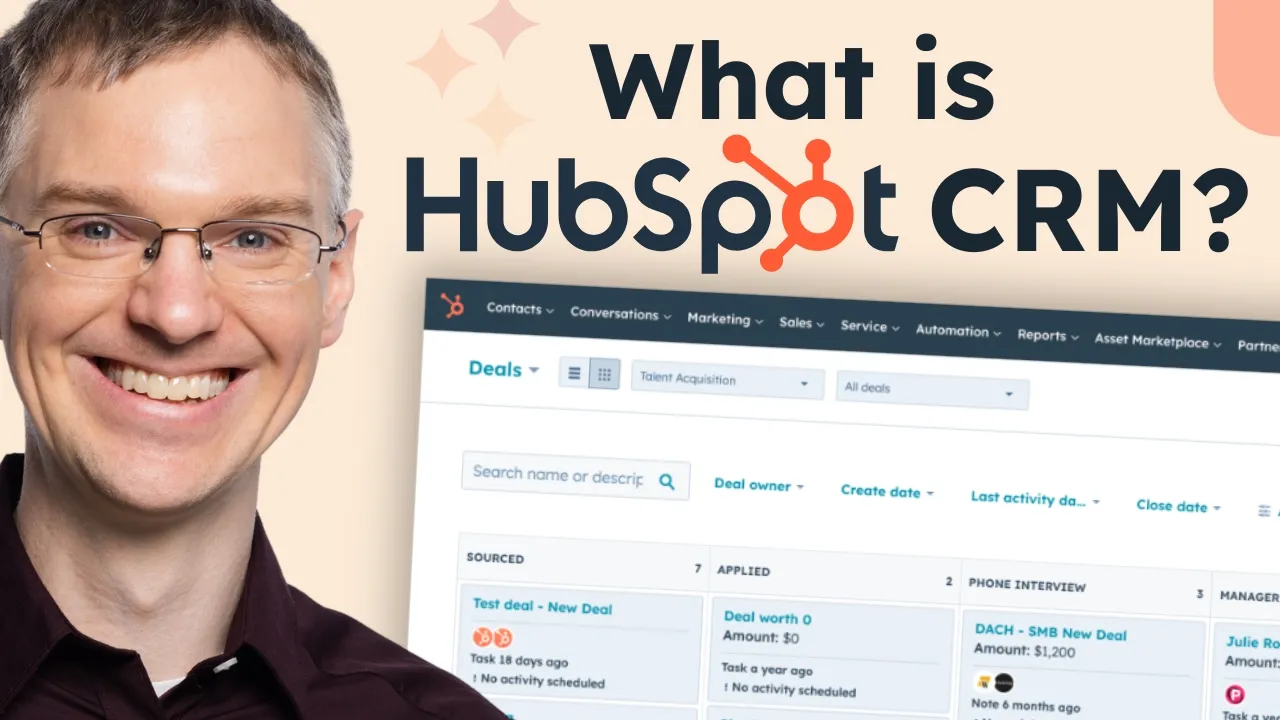
HubSpot CRM
Make customer relationships and sales organized and scalable
HubSpot CRM brings all your customer data, communication, sales opportunities, and processes together in one platform, so you never have to switch between scattered tools or spreadsheets again.
How Hubspot works
Watch video
Step 1
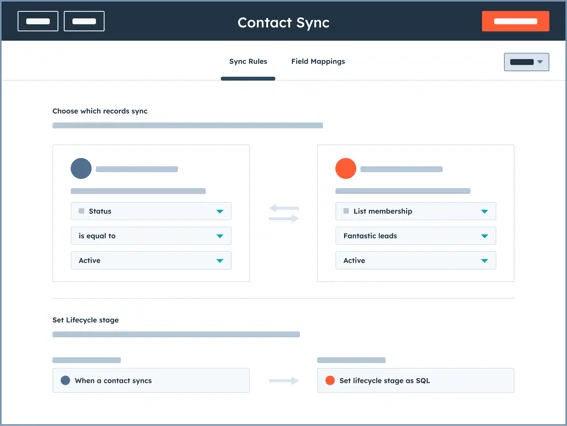
Centralize your customer data
HubSpot stores all your contacts, companies, deals, and communication in one clear, centralized system. Instant structure and transparency for your entire team.
Step 2
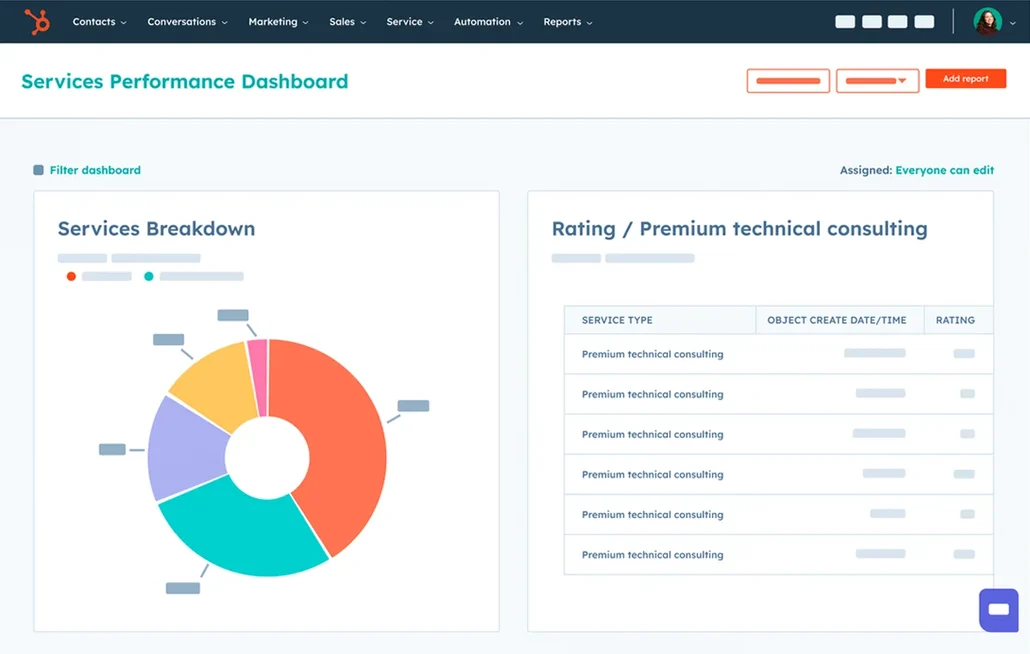
Manage your pipeline and automate your follow-up
Manage deals in a visual pipeline and automate follow-ups, tasks, and emails. Never lose leads or forget a follow-up again.
Step 3
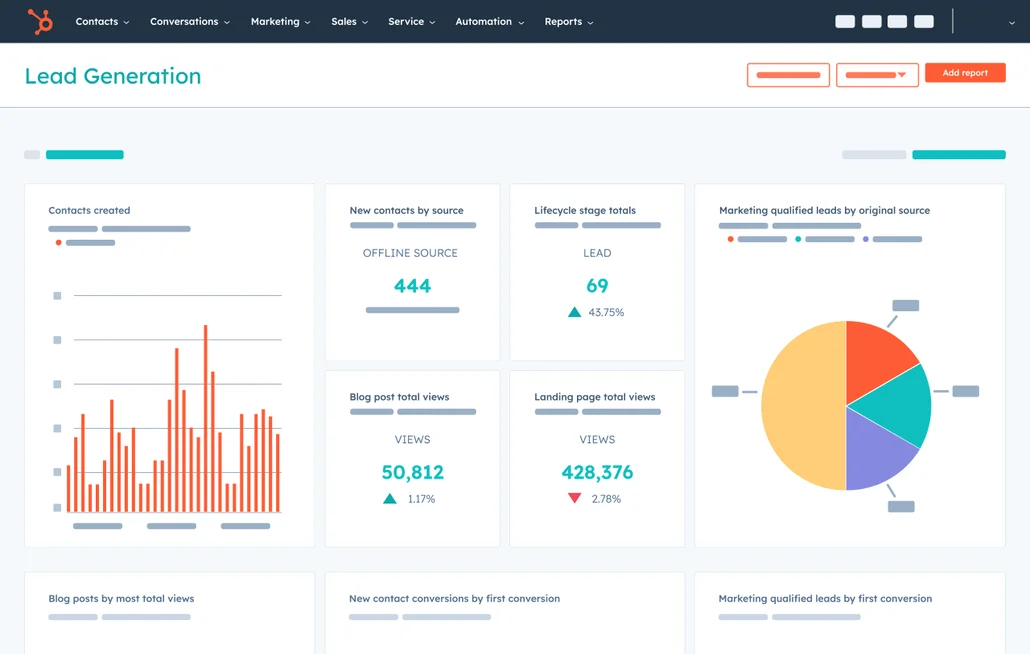
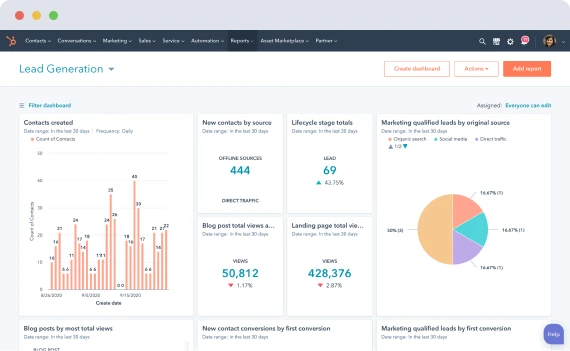
Analyze and scale your growth
Dashboards and reports show you exactly what works. Make data-driven decisions for more revenue and faster growth.
How Hubspot works
Watch video
Step 1
Centralize your customer data
HubSpot stores all your contacts, companies, deals, and communication in one clear, centralized system. Instant structure and transparency for your entire team.
Step 2
Manage your pipeline and automate your follow-up
Manage deals in a visual pipeline and automate follow-ups, tasks, and emails. Never lose leads or forget a follow-up again.
Step 3
Analyze and scale your growth
Dashboards and reports show you exactly what works. Make data-driven decisions for more revenue and faster growth.
How Hubspot works
Watch video
Step 1
Centralize your customer data
HubSpot stores all your contacts, companies, deals, and communication in one clear, centralized system. Instant structure and transparency for your entire team.
Step 2
Manage your pipeline and automate your follow-up
Manage deals in a visual pipeline and automate follow-ups, tasks, and emails. Never lose leads or forget a follow-up again.
Step 3
Analyze and scale your growth
Dashboards and reports show you exactly what works. Make data-driven decisions for more revenue and faster growth.
See your sales pipeline in real time, clearly.
See your sales pipeline in real time, clearly.
CRM (Customer Relationship Management)
A free, centralized database to manage contacts, companies, deals, pipelines, tasks, and all customer interactions.
CRM (Customer Relationship Management)
A free, centralized database to manage contacts, companies, deals, pipelines, tasks, and all customer interactions.
CRM (Customer Relationship Management)
A free, centralized database to manage contacts, companies, deals, pipelines, tasks, and all customer interactions.
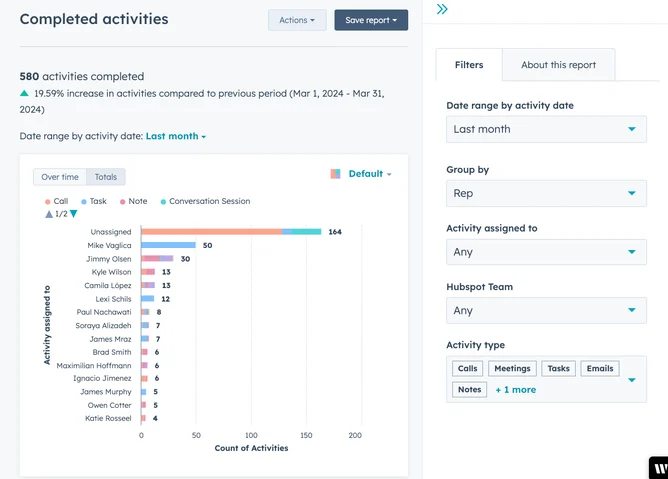
Marketing Automation
Tools for email marketing, workflows, lead nurturing, landing pages, forms, A/B testing, and social media scheduling.
Marketing Automation
Tools for email marketing, workflows, lead nurturing, landing pages, forms, A/B testing, and social media scheduling.
Marketing Automation
Tools for email marketing, workflows, lead nurturing, landing pages, forms, A/B testing, and social media scheduling.
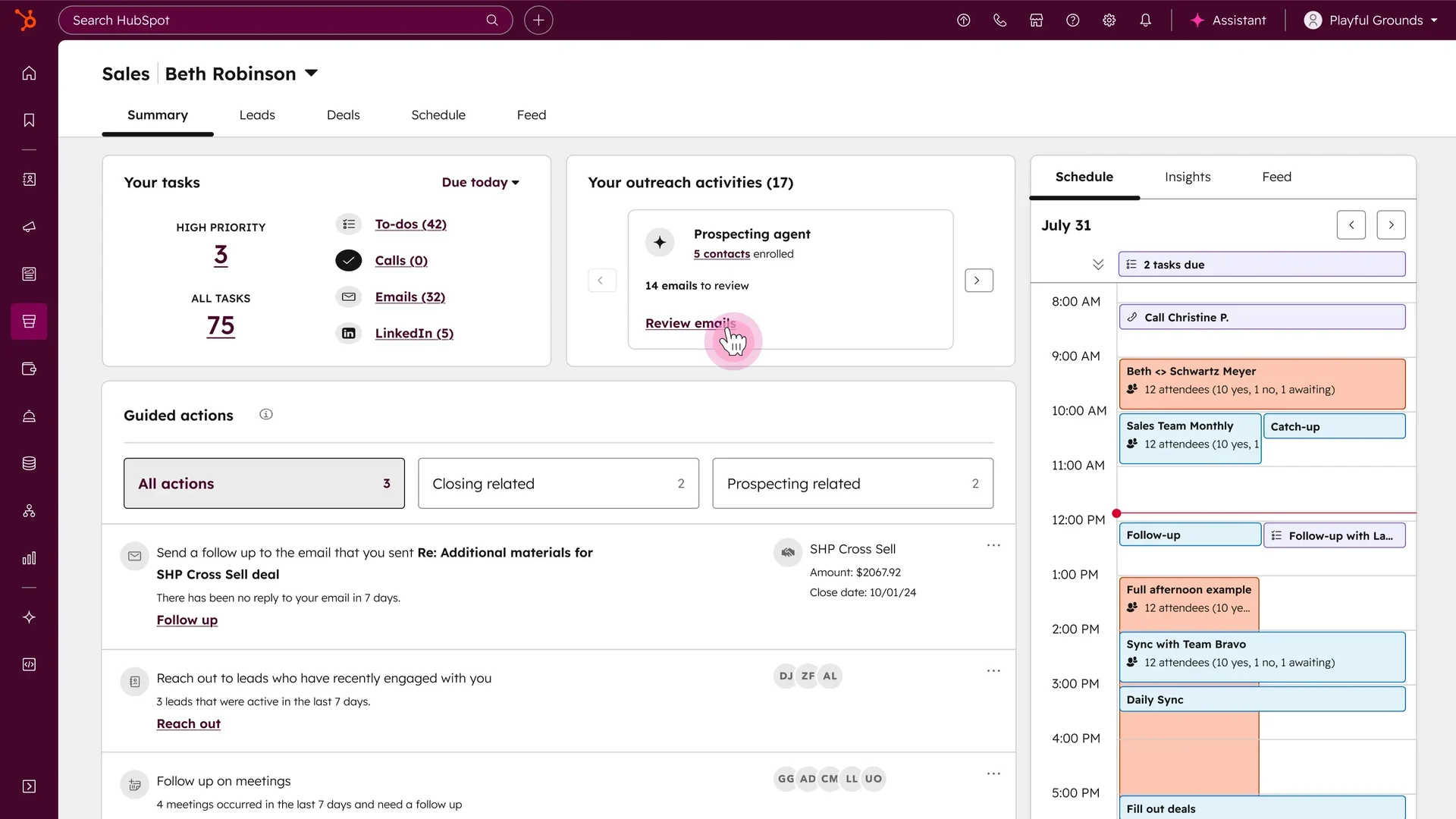
Sales Hub
See exactly how your outreach performs across segments, channels, and markets.
Sales Hub
See exactly how your outreach performs across segments, channels, and markets.
Sales Hub
See exactly how your outreach performs across segments, channels, and markets.
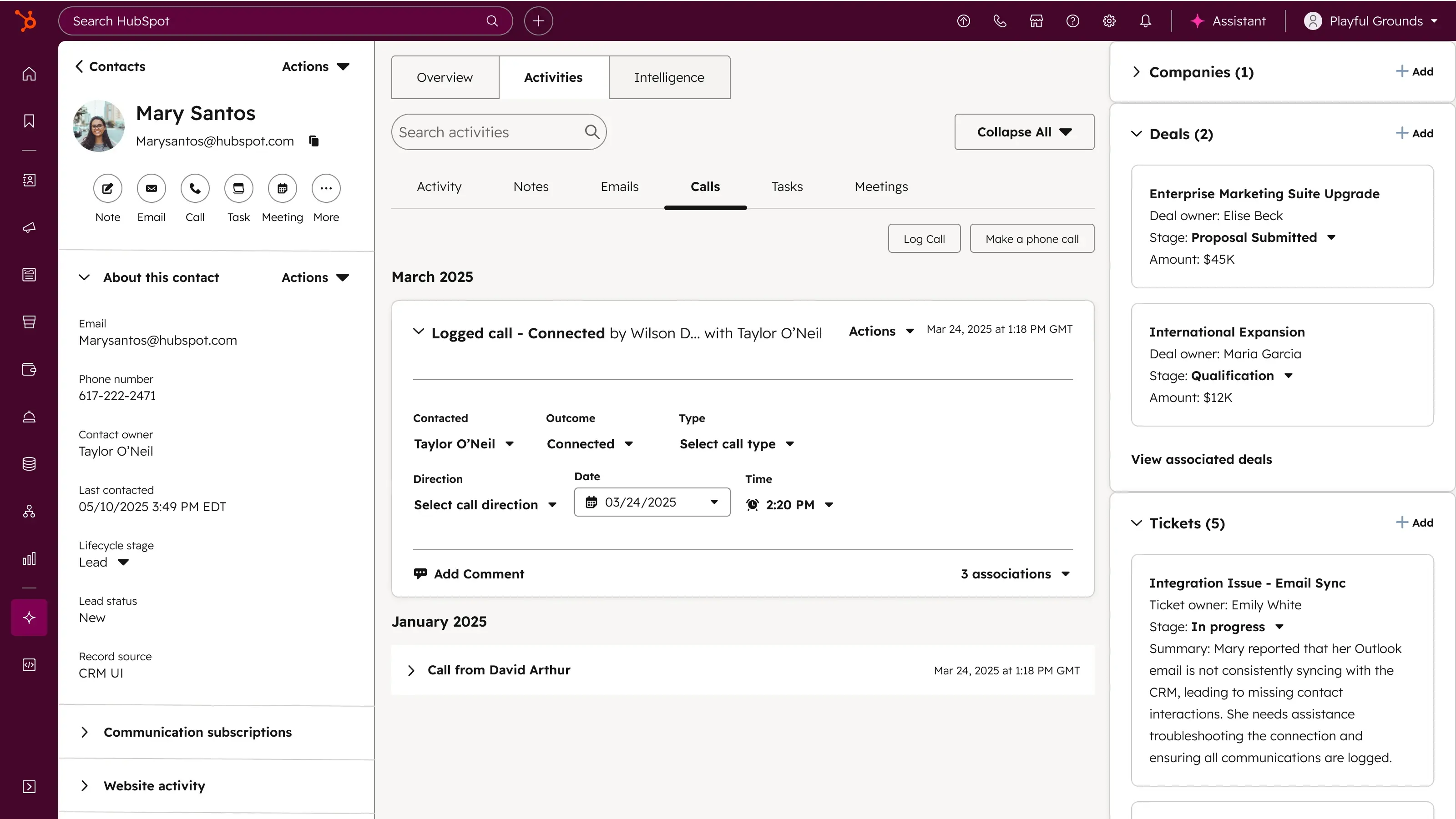
Service Hub
Ticketing system, knowledge base, customer feedback surveys, live chat, and helpdesk tools to support customer success.
Service Hub
Ticketing system, knowledge base, customer feedback surveys, live chat, and helpdesk tools to support customer success.
Service Hub
Ticketing system, knowledge base, customer feedback surveys, live chat, and helpdesk tools to support customer success.



Over 100+ companies uses our system to scale smarter
Want this built for you?
A GTM Engineer can design, build, and maintain your entire go-to-market system.
Over 100+ companies uses our system to scale smarter
Want this built for you?
A GTM Engineer can design, build, and maintain your entire go-to-market system.
Over 100+ companies uses our system to scale smarter
Want this built for you?
Want to improve your CRM system? Book a free strategy call and discover how to streamline your customer management.
Features
Designed for clarity, built for better sales decisions
Clear pipeline visibility
Instantly see which deals need attention.
Accurate forecasting
Predict revenue and prioritize high-value deals.
Better lead qualification
Identify which prospects are most likely to convert.
Data-driven insights
Spot trends and adjust your sales strategy early.
Improved follow-up timing
Know exactly when to contact prospects.
Performance tracking
Understand what actions drive the most closed deals.
Features
Designed for clarity, built for better sales decisions
Clear pipeline visibility
Instantly see which deals need attention.
Accurate forecasting
Predict revenue and prioritize high-value deals.
Better lead qualification
Identify which prospects are most likely to convert.
Data-driven insights
Spot trends and adjust your sales strategy early.
Improved follow-up timing
Know exactly when to contact prospects.
Performance tracking
Understand what actions drive the most closed deals.
Features
Designed for clarity, built for better sales decisions
Clear pipeline visibility
Instantly see which deals need attention.
Accurate forecasting
Predict revenue and prioritize high-value deals.
Better lead qualification
Identify which prospects are most likely to convert.
Data-driven insights
Spot trends and adjust your sales strategy early.
Improved follow-up timing
Know exactly when to contact prospects.
Performance tracking
Understand what actions drive the most closed deals.
Why Hubspot?
Why Hubspot?
Why Hubspot?
There’s a smarter way to grow B2B sales
Other Tools
Fragmented tools – marketing, sales, and CRM all live in separate platforms.
Too complex to use – steep learning curve and cluttered interfaces.
Weak automation – too much manual work and repetitive tasks.
Limited integrations – systems don’t communicate well with each other.
Poor data insights – unclear reports and no real-time visibility.
All-in-one platform – one system for CRM, sales, marketing, and service.
User-friendly interface – easy to learn, easy to use every day.
Powerful automation – workflows that save time and reduce errors.
Seamless integrations – connect with hundreds of tools effortlessly.
Clear dashboards & analytics – real-time data and actionable insights for better decisions.
Other Tools
Fragmented tools – marketing, sales, and CRM all live in separate platforms.
Too complex to use – steep learning curve and cluttered interfaces.
Weak automation – too much manual work and repetitive tasks.
Limited integrations – systems don’t communicate well with each other.
Poor data insights – unclear reports and no real-time visibility.
All-in-one platform – one system for CRM, sales, marketing, and service.
User-friendly interface – easy to learn, easy to use every day.
Powerful automation – workflows that save time and reduce errors.
Seamless integrations – connect with hundreds of tools effortlessly.
Clear dashboards & analytics – real-time data and actionable insights for better decisions.
Other Tools
Fragmented tools – marketing, sales, and CRM all live in separate platforms.
Too complex to use – steep learning curve and cluttered interfaces.
Weak automation – too much manual work and repetitive tasks.
Limited integrations – systems don’t communicate well with each other.
Poor data insights – unclear reports and no real-time visibility.
All-in-one platform – one system for CRM, sales, marketing, and service.
User-friendly interface – easy to learn, easy to use every day.
Powerful automation – workflows that save time and reduce errors.
Seamless integrations – connect with hundreds of tools effortlessly.
Clear dashboards & analytics – real-time data and actionable insights for better decisions.
Loved by individuals and small teams
People across industries trust Clario to manage money, reduce stress, and make smarter decisions, all in one simple dashboard.
36% connection rate, quotas crushed every single month.

Nicole Coetzer
Head of Sales @ Kinsta
Apollo makes my workflow simple, fast, and efficient.

Diego Cobian
Account Executive @ Arbolus
75% more meetings booked after switching to Apollo.

Andrew Froning
BDR Leader @ Cyera
Apollo enriches everything we have: contacts, leads, accounts.

Mark Turner
VP of Revenue Operations @ Built In
4x more data, 64% lower costs with Apollo.

Sylvain Giuliani
Head of Growth @ Census
50% cost savings and doubled open rates with Apollo.

Collin Stewart
CEO @ Predictable Revenue
Loved by individuals and small teams
People across industries trust Clario to manage money, reduce stress, and make smarter decisions, all in one simple dashboard.
36% connection rate, quotas crushed every single month.
Nicole Coetzer
Head of Sales @ Kinsta
Apollo makes my workflow simple, fast, and efficient.
Diego Cobian
Account Executive @ Arbolus
75% more meetings booked after switching to Apollo.
Andrew Froning
BDR Leader @ Cyera
Apollo enriches everything we have: contacts, leads, accounts.
Mark Turner
VP of Revenue Operations @ Built In
4x more data, 64% lower costs with Apollo.
Sylvain Giuliani
Head of Growth @ Census
50% cost savings and doubled open rates with Apollo.
Collin Stewart
CEO @ Predictable Revenue
Loved by individuals and small teams
People across industries trust Clario to manage money, reduce stress, and make smarter decisions, all in one simple dashboard.
36% connection rate, quotas crushed every single month.
Nicole Coetzer
Head of Sales @ Kinsta
Apollo makes my workflow simple, fast, and efficient.
Diego Cobian
Account Executive @ Arbolus
75% more meetings booked after switching to Apollo.
Andrew Froning
BDR Leader @ Cyera
Apollo enriches everything we have: contacts, leads, accounts.
Mark Turner
VP of Revenue Operations @ Built In
4x more data, 64% lower costs with Apollo.
Sylvain Giuliani
Head of Growth @ Census
50% cost savings and doubled open rates with Apollo.
Collin Stewart
CEO @ Predictable Revenue

Eva Meijer
CEO @Happybase
Hear from our users
Together with B2BGROWTHMACHINE and their team, we’ve made huge strides in automating our sales process. What stood out immediately: they work fast, efficiently, and are always accessible.
Eva Meijer
CEO @Happybase
Hear from our users
Together with B2BGROWTHMACHINE and their team, we’ve made huge strides in automating our sales process. What stood out immediately: they work fast, efficiently, and are always accessible.
Eva Meijer
CEO @Happybase
Hear from our users
Together with B2BGROWTHMACHINE and their team, we’ve made huge strides in automating our sales process. What stood out immediately: they work fast, efficiently, and are always accessible.
Got questions?
We’ve got answers.
Here’s everything you need to know before getting started.
01
What is a GTM Engineer?
A GTM Engineer (Go-To-Market Engineer) designs, builds, and maintains the technical systems that power a company’s sales and marketing operations. Instead of manually executing campaigns or managing tools, they create automated workflows, data pipelines, and decision logic that make growth scalable.
02
How is a GTM Engineer different from an SDR?
An SDR focuses on manual outreach and lead qualification. A GTM Engineer builds the systems that automate, route, score, and optimize that process. SDRs work at the execution layer. GTM Engineers work at the infrastructure layer.
03
Is GTM Engineering the same as RevOps?
No. RevOps focuses on process alignment and reporting. GTM Engineering focuses on building the actual systems that make those processes run automatically. GTM Engineers implement the technical logic behind RevOps strategies.
04
Do I need technical skills to work with a GTM Engineer?
No. A GTM Engineer translates business goals into system logic. You define what you want to achieve — they design and build the infrastructure that makes it happen.
05
What problems does GTM Engineering solve?
GTM Engineering eliminates manual handoffs, disconnected tools, broken data flows, and unclear attribution. It creates a single, automated system for lead generation, qualification, routing, and conversion.
06
When should a company hire a GTM Engineer?
Companies usually need GTM Engineering when growth becomes complex — multiple channels, multiple tools, multiple teams. If manual work, reporting errors, or scaling issues slow you down, a GTM Engineer becomes essential.
07
Is GTM Engineering only for large companies?
No. In fact, scale-ups benefit the most. The earlier you build proper systems, the easier it is to grow without adding operational chaos.
08
What tools do GTM Engineers typically work with?
GTM Engineers work across CRMs, marketing automation tools, enrichment platforms, analytics systems, data warehouses, and workflow engines. Their job is not tied to one tool, but to how all tools work together.
09
Does GTM Engineering replace sales teams?
No. GTM Engineering supports sales teams by removing manual work, improving data quality, and making performance visible. It allows sales to focus on conversations instead of operations.
10
What is the output of GTM Engineering?
The output is not a campaign — it’s a system. A GTM Engineer leaves behind automated pipelines, decision logic, dashboards, and workflows that continue to operate without constant human input.
Got questions?
We’ve got answers.
Here’s everything you need to know before getting started.
01
What is a GTM Engineer?
A GTM Engineer (Go-To-Market Engineer) designs, builds, and maintains the technical systems that power a company’s sales and marketing operations. Instead of manually executing campaigns or managing tools, they create automated workflows, data pipelines, and decision logic that make growth scalable.
02
How is a GTM Engineer different from an SDR?
An SDR focuses on manual outreach and lead qualification. A GTM Engineer builds the systems that automate, route, score, and optimize that process. SDRs work at the execution layer. GTM Engineers work at the infrastructure layer.
03
Is GTM Engineering the same as RevOps?
No. RevOps focuses on process alignment and reporting. GTM Engineering focuses on building the actual systems that make those processes run automatically. GTM Engineers implement the technical logic behind RevOps strategies.
04
Do I need technical skills to work with a GTM Engineer?
No. A GTM Engineer translates business goals into system logic. You define what you want to achieve — they design and build the infrastructure that makes it happen.
05
What problems does GTM Engineering solve?
GTM Engineering eliminates manual handoffs, disconnected tools, broken data flows, and unclear attribution. It creates a single, automated system for lead generation, qualification, routing, and conversion.
06
When should a company hire a GTM Engineer?
Companies usually need GTM Engineering when growth becomes complex — multiple channels, multiple tools, multiple teams. If manual work, reporting errors, or scaling issues slow you down, a GTM Engineer becomes essential.
07
Is GTM Engineering only for large companies?
No. In fact, scale-ups benefit the most. The earlier you build proper systems, the easier it is to grow without adding operational chaos.
08
What tools do GTM Engineers typically work with?
GTM Engineers work across CRMs, marketing automation tools, enrichment platforms, analytics systems, data warehouses, and workflow engines. Their job is not tied to one tool, but to how all tools work together.
09
Does GTM Engineering replace sales teams?
No. GTM Engineering supports sales teams by removing manual work, improving data quality, and making performance visible. It allows sales to focus on conversations instead of operations.
10
What is the output of GTM Engineering?
The output is not a campaign — it’s a system. A GTM Engineer leaves behind automated pipelines, decision logic, dashboards, and workflows that continue to operate without constant human input.
Got questions?
We’ve got answers.
Here’s everything you need to know before getting started.
01
What is a GTM Engineer?
A GTM Engineer (Go-To-Market Engineer) designs, builds, and maintains the technical systems that power a company’s sales and marketing operations. Instead of manually executing campaigns or managing tools, they create automated workflows, data pipelines, and decision logic that make growth scalable.
02
How is a GTM Engineer different from an SDR?
An SDR focuses on manual outreach and lead qualification. A GTM Engineer builds the systems that automate, route, score, and optimize that process. SDRs work at the execution layer. GTM Engineers work at the infrastructure layer.
03
Is GTM Engineering the same as RevOps?
No. RevOps focuses on process alignment and reporting. GTM Engineering focuses on building the actual systems that make those processes run automatically. GTM Engineers implement the technical logic behind RevOps strategies.
04
Do I need technical skills to work with a GTM Engineer?
No. A GTM Engineer translates business goals into system logic. You define what you want to achieve — they design and build the infrastructure that makes it happen.
05
What problems does GTM Engineering solve?
GTM Engineering eliminates manual handoffs, disconnected tools, broken data flows, and unclear attribution. It creates a single, automated system for lead generation, qualification, routing, and conversion.
06
When should a company hire a GTM Engineer?
Companies usually need GTM Engineering when growth becomes complex — multiple channels, multiple tools, multiple teams. If manual work, reporting errors, or scaling issues slow you down, a GTM Engineer becomes essential.
07
Is GTM Engineering only for large companies?
No. In fact, scale-ups benefit the most. The earlier you build proper systems, the easier it is to grow without adding operational chaos.
08
What tools do GTM Engineers typically work with?
GTM Engineers work across CRMs, marketing automation tools, enrichment platforms, analytics systems, data warehouses, and workflow engines. Their job is not tied to one tool, but to how all tools work together.
09
Does GTM Engineering replace sales teams?
No. GTM Engineering supports sales teams by removing manual work, improving data quality, and making performance visible. It allows sales to focus on conversations instead of operations.
10
What is the output of GTM Engineering?
The output is not a campaign — it’s a system. A GTM Engineer leaves behind automated pipelines, decision logic, dashboards, and workflows that continue to operate without constant human input.
Want more qualified B2B leads?
Kickstart your Growth Machine now. No hassle, no guesswork, just a predictable pipeline.

Want more qualified B2B leads?
Kickstart your Growth Machine now. No hassle, no guesswork, just a predictable pipeline.
Want more qualified B2B leads?
Kickstart your Growth Machine now. No hassle, no guesswork, just a predictable pipeline.